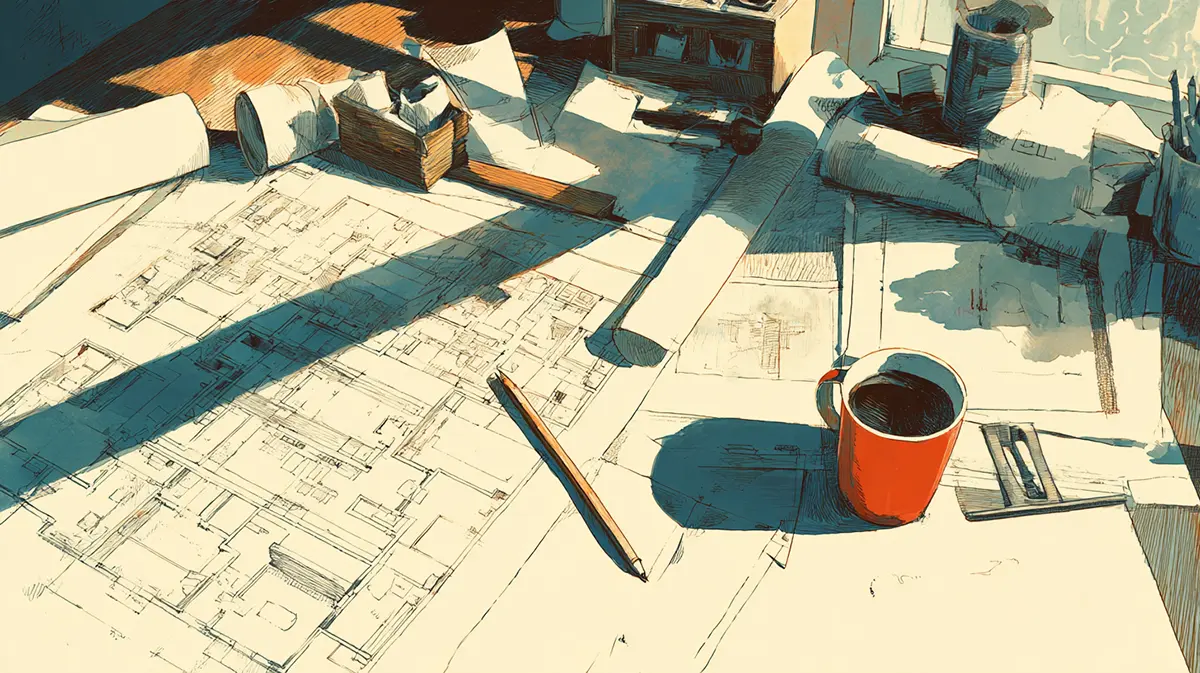
There is a romanticized idea of the Architect often seen in movies: the solitary genius standing in front of a window, sketching a masterpiece on a napkin that changes the skyline forever.
But if you are in the industry, you know the truth. Architecture is 10% sketching and 90% problem-solving, negotiating, managing crises, and navigating complex regulations. It is a messy, beautiful, collaborative process.
Whether you are a student just starting out or a seasoned pro looking to refine your practice, "good" architecture is rarely about being the loudest voice in the room. It’s about being the most thoughtful. Here are five tips on how to elevate your practice and be the kind of architect clients love and contractors respect.
1. Drop the Ego (and Listen)
The biggest trap for any creative professional is falling in love with your own solution before you’ve fully understood the problem. A good architect designs for a portfolio. A great architect designs for people.
The Win: When a client feels heard, they trust you. And when they trust you, they are more likely to approve those bold design choices you really want to make.
2. Master the Story, Not Just the Software
You can be a wizard in Revit or Rhino, but if you can’t explain why a design matters, your drawings will stay on paper. Architecture is fundamentally an act of storytelling. You are guiding a client through a future that doesn't exist yet.

3. Respect the Site (and the Planet)
We are long past the era where sustainability was an optional "add-on." Today, being a good architect means being a responsible steward of the environment. However, this goes beyond just checking boxes for LEED certification. It means looking at the site—the wind, the sun, the local materials—and working with them rather than fighting against them.
The Mindset: Good architecture should feel like it grew out of the ground, not like it was dropped there from space.
4. The "Boring" Stuff is the Magic
It’s easy to get excited about the concept phase. It’s much harder to maintain that enthusiasm for detailing, waterproofing, and code compliance. But here is the hard truth: God is in the details.
A beautiful concept with poor execution is a failed building. A good architect obsesses over how materials meet, how water drains, and how the building will age over 10, 20, or 50 years.

5. Be a Forever Student
The moment you think you know everything about architecture is the moment you become obsolete. Materials change. Technologies evolve (hello, AI!). Building codes update. The best architects I know are the ones who remain curious. They travel to see how other cultures build. They read books outside of their field. They stay hungry.
The Takeaway: Treat every project as a research project. If you aren't learning something new with every building, you aren't pushing hard enough.
Final Thoughts: Building a Legacy
Being a good architect isn't just about the structures you leave behind; it’s about the relationships you build along the way. It’s about creating spaces that make life a little better, a little easier, and a little more beautiful for the people who inhabit them.
Keep sketching, but keep listening too. The world needs better listeners just as much as it needs better buildings.